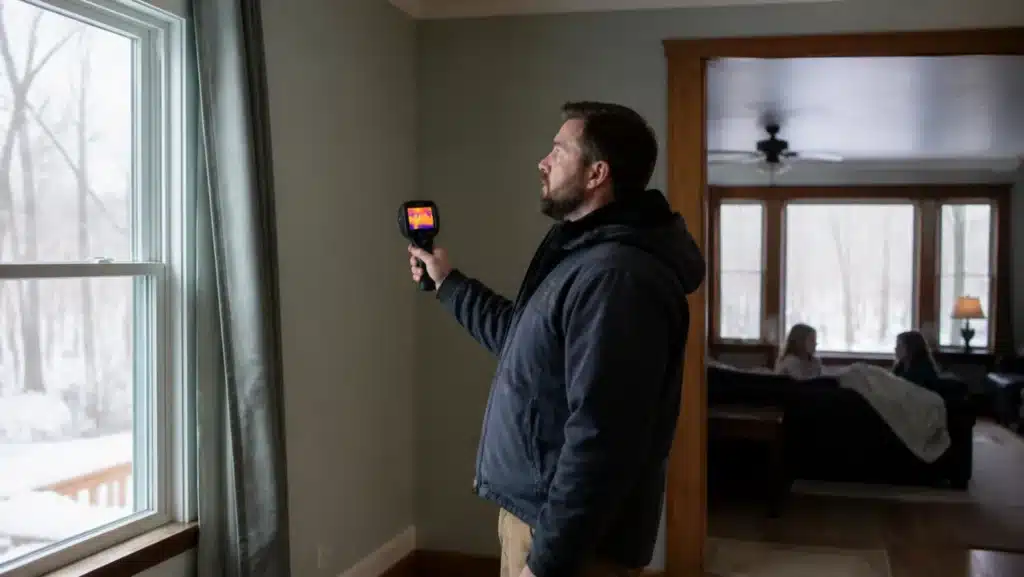
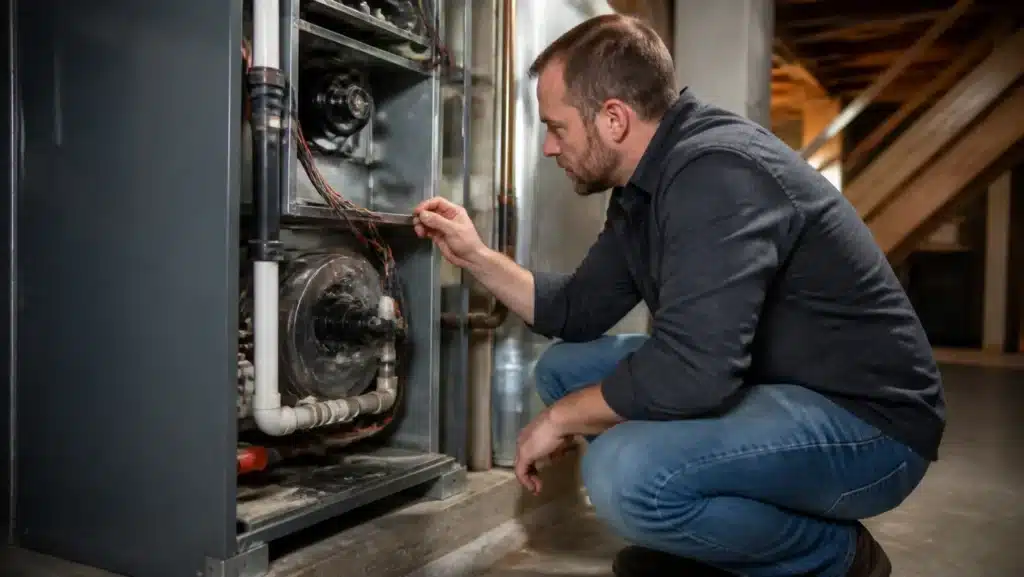
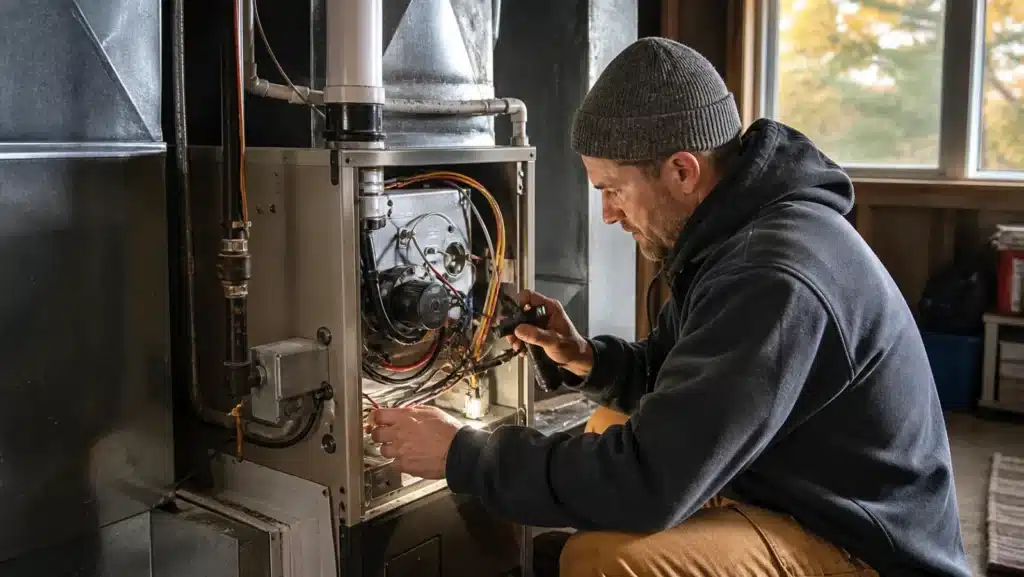
When temperatures drop and your heating system stops working, it becomes a serious problem fast. Cold living spaces, weak airflow, or air blowing without warmth are clear signs of heating issues that should not be ignored. Many homeowners start searching why the heat is not working in my house because they are unsure whether the issue is simple or something that requires professional repair.
The truth is, heating problems can come from many sources, such as thermostat issues, clogged air filters, electrical issues, or failures inside the heating unit itself. Understanding what causes these problems can help you take the right troubleshooting steps and avoid costly repairs.
Thermostat Settings and Control Problems
Incorrect Thermostat Settings
One of the most common reasons heat is not working is incorrect thermostat settings. Your thermostat must be set to heating mode, not air conditioning. The desired temperature should also be set higher than the current room temperature.
Double check that the thermostat is in the correct position and that the power switch is on. If you have a programmable thermostat, confirm schedules have not been adjusted accidentally.
Supporting terms used naturally: thermostat settings, heating mode, desired temperature, current room temperature, programmable thermostat.
Malfunctioning or Faulty Thermostat
A malfunctioning thermostat or a faulty thermostat can prevent your heating system from producing heat even when everything else is working. Dead thermostat batteries, loose or damaged wiring, or failing sensors can all cause thermostat problems.
If replacing thermostat batteries does not help, the issue may require a certified HVAC technician to diagnose electrical components or recalibrate the unit.
Supporting terms: thermostat issues, faulty thermostat, malfunctioning thermostat, thermostat batteries, electrical components
Airflow Problems That Stop Warm Air
Dirty or Clogged Air Filters
A dirty air filter or clogged filters are among the biggest causes of heating problems. When filters become clogged or dirty, they restrict airflow, causing weak airflow or forcing the system to shut down to protect itself.
Clogged or dirty filters reduce heating efficiency, increase heat loss, and prevent warm air or hot air from reaching your living spaces. Regular filter changes and thorough cleaning help prevent dust buildup and overheating.
Supporting terms: dirty air filter, clogged air filters, restrict airflow, weak airflow, heating efficiency, heat loss, living spaces
Blocked Vents and Air Leaks
Blocked vents caused by furniture, rugs, or debris can lead to uneven heating throughout the house. Air leaks in ductwork also allow warm air to escape before it reaches your rooms.
These airflow issues make it feel like the heater is not working, even when the heating unit is running.
Supporting terms: blocked vents, uneven heating, air leaks, heat loss.
Electrical and Power Supply Issues
Tripped Circuit Breaker or Blown Fuse
Heating systems rely on a steady power supply. A tripped circuit breaker, tripped breakers, or a blown fuse in the electrical panel or fuse box can shut the system down completely.
You can reset the circuit breaker once, but repeated tripped breakers signal electrical issues that require professional repair to avoid damage or safety risks.
Supporting terms: circuit breaker, tripped circuit breaker, blown fuse, electrical panel, fuse box, power supply, electrical issues.

Loose Wiring and Electrical Failures
Loose or damaged wiring inside HVAC systems can stop heating elements, blower motors, or ignition systems from working. These issues often cause intermittent heating problems or complete shutdowns.
Electrical failures should always be handled by an HVAC technician to prevent further damage or costly repairs.
Supporting terms: loose or damaged wiring, electrical components, blower motor, require professional repair.
Fuel, Ignition, and Furnace Problems
Pilot Light and Ignition Problems
If you have a gas furnace, the pilot light or ignition system must work correctly to produce heat. A pilot light that goes out or a faulty ignition system will stop the heater from blowing hot air.
Modern furnaces use electronic ignition switches, which can fail due to wear, dirt, or electrical issues. These ignition problems usually require professional repair.
Supporting terms: pilot light, ignition system, faulty ignition system, ignition switch, ignition problems
Gas Supply Issues
A closed gas valve, interrupted gas supply, or faulty gas valve can prevent your gas furnace from producing heat. If you ever smell gas, leave the home immediately and contact your gas provider.
Gas-related furnace problems should only be handled by a local HVAC technician or certified HVAC technician.
Heating Unit and System Performance Issues
Malfunctioning Heater or Heat Pump
Whether you use a furnace or a heat pump, internal failures can prevent the system from working properly. A malfunctioning heater, failing heating elements, or outdoor unit issues can all stop heat production.
Heat pumps may struggle when temperatures drop too low, especially if the outdoor unit is dirty or damaged.
Blower Motor and Air Distribution
The blower motor is responsible for pushing warm air through your ductwork. If the blower motor fails, you may hear the system running but feel little to no heat.
This issue reduces heating efficiency and often causes uneven heating across the home.
Supporting terms: blower motor, warm air, uneven heating
Maintenance and Long-Term Heating Problems
Lack of Regular Maintenance
Skipping regular maintenance is a major cause of heating problems. Without inspections, small issues like dirty filters, dust buildup, or loose electrical connections turn into major failures.
Routine heating services help save money by catching problems early and extending the life of your HVAC systems.
When to Call a Professional
Basic troubleshooting steps like checking thermostat settings, replacing a dirty filter, or resetting a breaker are safe for homeowners. Beyond that, heating repair should be handled by a professional.
If your system still does not produce heat, shows repeated electrical issues, or has ignition problems, contact a certified HVAC technician for a full inspection and professional repair.
Conclusion
If you are asking why is the heat not working in my house, the cause could be as simple as clogged filters or as serious as ignition system failure. Addressing heating issues early protects your comfort, safety, and wallet.
Do not wait until the problem leads to costly repairs or complete system failure.
Schedule Service Today with a trusted local HVAC technician to restore heat and keep your home comfortable.