
Why Spring Is a Smart Time to Check Your Water Heater
Most homeowners only think about their water heater when it stops working, usually during a cold shower at 6 AM. Spring maintenance is a different approach: catching small issues before they turn into a flooded utility room or a weekend with no hot water.
Water heaters in Minnesota take a beating. Cold groundwater temperatures mean your heater works harder than units in warmer climates just to get water up to 120°F. If your unit is pushing 8-10 years old, spring is a good time to get a professional evaluation before summer increases hot water demand from more showers, laundry, and houseguests.
Signs Your Water Heater Is Struggling
Not all water heater problems announce themselves loudly. Some of the most common warning signs Minnesota homeowners miss include: inconsistent water temperatures (hot, then lukewarm, then hot again), a rumbling or popping noise when the tank heats up (that’s sediment buildup, a big problem with Minnesota’s hard water), rust-colored water at the tap, or a visible leak around the base of the unit.
Smells are another telltale sign. A rotten egg smell often points to a failing anode rod, the sacrificial metal rod inside your tank that prevents corrosion. Replacing the anode rod is a relatively inexpensive repair that can add years to your tank’s life.
The One Maintenance Task Most Homeowners Skip: Flushing the Tank
Sediment accumulates at the bottom of your water heater tank over time, especially in areas with hard water, which describes most of Minnesota. This sediment layer acts as an insulator between your burner and the water, forcing the unit to run longer and consume more energy to reach the same temperature. Over time, it can damage the tank lining and significantly shorten the heater’s lifespan.
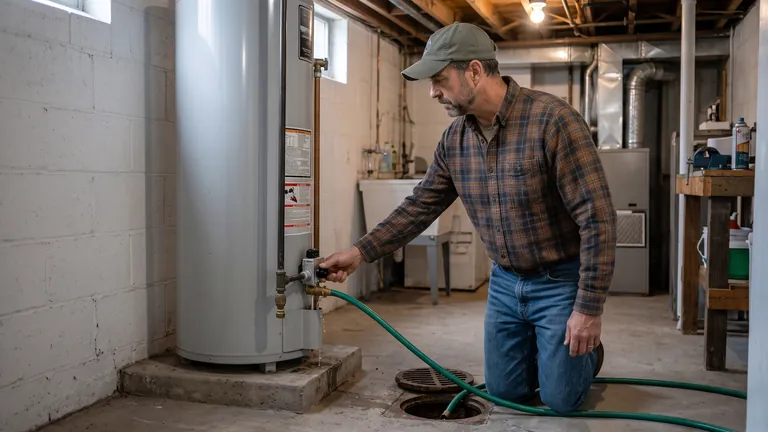
Flushing the tank once a year removes that buildup. The process involves connecting a hose to the drain valve and draining the tank until the water runs clear. It’s a DIY-friendly task if you’re comfortable doing it, but many homeowners prefer to have a plumber handle it during a routine service visit to avoid dealing with the pressure relief valve and hot water drainage safely.
Tank vs. Tankless: What Makes Sense for Minnesota Homes
If your water heater is nearing the end of its life, spring is a good time to evaluate your options. Traditional tank water heaters are less expensive upfront and work well for most households. Tankless (on-demand) water heaters cost more initially but deliver hot water continuously, no running out during long showers, and typically last 5-10 years longer than conventional tanks.
For Minnesota homeowners, sizing matters. Tankless units need to compensate for cold incoming groundwater temperatures, which affects flow rate. A unit sized for a warm-climate home may underperform here. An experienced plumber can size the right unit for your household’s hot water demand and your home’s incoming water temperature.
Related Services
Get Your Water Heater Inspected
Whether you need a flush, a repair, or a full replacement, Advantage Air Plumbing, Heating & Cooling has you covered. Our licensed plumbers serve the area with straightforward service and honest pricing. Contact us today to schedule a water heater inspection.