Thermostat Strategy: The Biggest Lever You Have
Your thermostat settings have the single largest impact on your cooling bill. Every degree you raise your cooling set point saves approximately 3% on cooling energy. The Department of Energy recommends 78°F when you’re home and awake, and higher set points when you’re sleeping or away. For many Minnesotans accustomed to keeping homes in the low 70s, this is an adjustment — but ceiling fans can compensate significantly by making 78°F feel like 72°F.
A programmable or smart thermostat automates this strategy without requiring daily attention. Smart thermostats like Ecobee or Nest learn your schedule and adjust automatically, can be controlled from your phone, and in many cases qualify for rebates from Minnesota energy providers like Xcel Energy or Minnesota Power.
Air Sealing and Insulation: Stop Paying to Cool the Outside
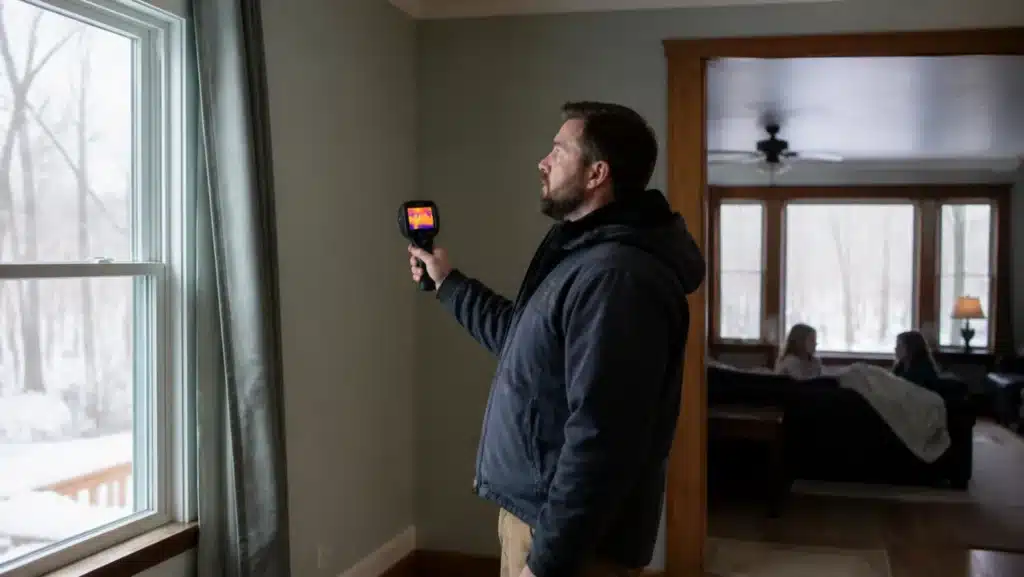
In Minnesota, air sealing gets talked about almost exclusively as a winter concern — but the same gaps and cracks that let cold air in during winter let hot, humid outdoor air in during summer. Attic hatches, rim joists, plumbing and electrical penetrations, and gaps around window and door frames are common culprits.
Attic insulation is particularly important in summer. A poorly insulated attic can reach 150°F on a hot sunny day, and that heat radiates down into your living space, forcing your AC to work overtime. Bringing attic insulation up to Minnesota-recommended levels (R-49 to R-60) is one of the highest-ROI home improvements available for both heating and cooling.
Window Management and Shade
South and west-facing windows take the brunt of afternoon sun in Minnesota summers. During peak solar hours — roughly 11 AM to 4 PM — closed blinds or curtains on sun-facing windows can reduce solar heat gain by 40-50%. This is especially effective on single-pane windows common in older Minnesota homes.
Exterior shading is even more effective because it blocks heat before it enters the glass. Awnings, shade trees, and exterior roller shades all reduce solar gain at the source. A mature deciduous tree on the southwest side of your home naturally shades your house during summer and drops its leaves to let winter sun through — one of the best passive cooling strategies available.
HVAC Maintenance: Efficiency Requires a Well-Running System
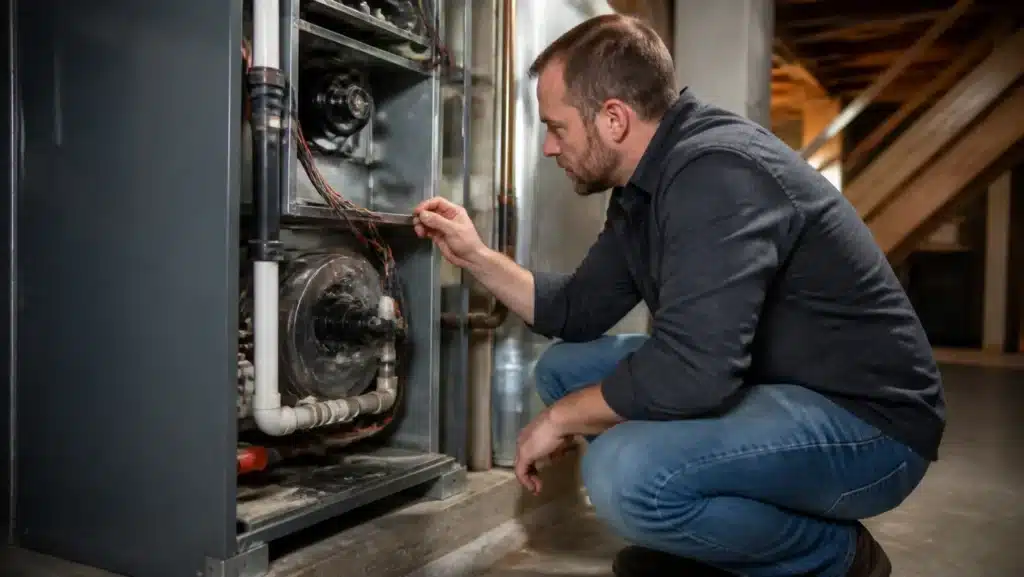
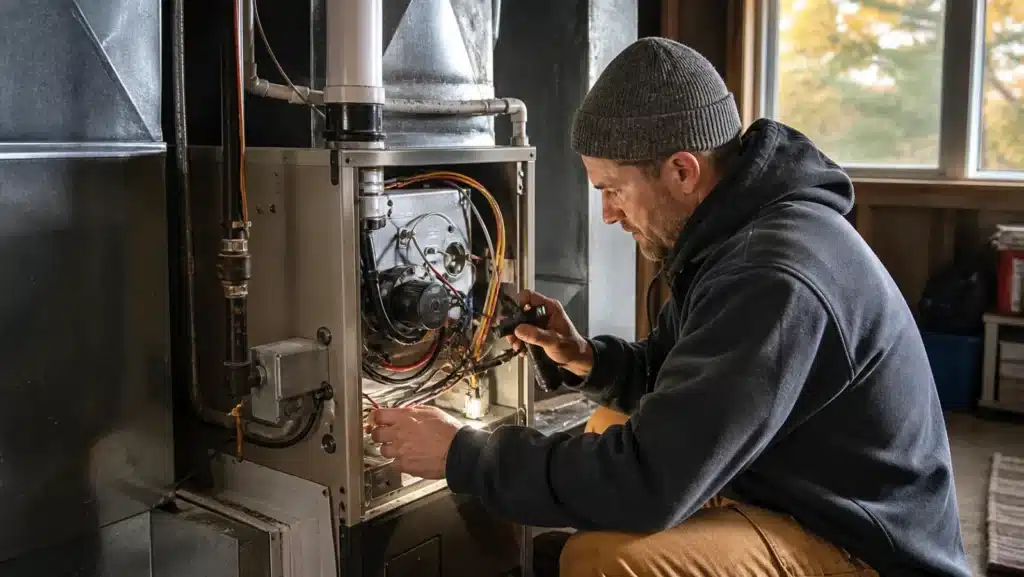
All the behavioral adjustments in the world won’t help if your AC is running inefficiently due to maintenance neglect. A dirty air filter forces the system to work harder and longer. A dirty condenser coil reduces heat transfer efficiency. Low refrigerant means the system can’t cool at rated capacity regardless of how long it runs.
Beyond maintenance, ductwork efficiency is often overlooked. Leaky ducts in unconditioned attics or crawlspaces can waste 25-30% of your conditioned air before it reaches the living space. Duct sealing — done professionally with mastic sealant or metal tape — is one of the most cost-effective ways to improve system efficiency in existing homes.
Related Services
Maximize Your Cooling Efficiency
Advantage Air Plumbing, Heating & Cooling can tune up your system for peak efficiency, evaluate your ductwork, and help you make the most of your cooling dollar this summer. Contact us to schedule a service visit.